Summary
READ ITYou don't need a production studio, a video editor, or a five-figure budget to make video work for your business. A phone, a bit of good light, and a clear message will get you further than most people expect. What actually moves the needle is showing up consistently with content that speaks to real people.
The tricky part is knowing what to film and how to turn those views into actual customers. That's what this guide is for. We'll walk through the video formats worth your time, the tools that make creation easier, and how to fit video into a marketing plan when you're already wearing ten hats.
One quick foundation check first. Video only pays off if it points people somewhere they can buy. If you haven’t already build a website, it’s worth having a simple place where people can learn more, explore what you offer, and take the next step. Wix for example, gives you the tools to build that online home without starting from scratch, with thousands of designer-made templates and an easy drag-and-drop editor to make it your own. Once you have that in place, you can bring your videos there, turn interest into action, and give every view somewhere to go.
Why video has become the default language of online commerce
Text and images still matter, but video does something they can't: it builds trust fast. In under a minute, a clip can show personality, demonstrate a product, and answer an objection the viewer didn't even know they had.
The shopping data backs this up. People are far more likely to buy after watching a product video than after reading a description alone. Video lets shoppers see scale, texture, and how something actually works, the exact details that make them hesitate when all they have is a paragraph of copy.
Platforms have noticed too. Instagram, TikTok, YouTube, and even Google now push video content to more people, rewarding accounts that post regularly with wider reach. Short-form clips are especially good at sparking impulse buys, catching someone mid-scroll and giving them a reason to stop.
Here's the good news for smaller sellers: big brands often move slowly and sound corporate. A founder who posts consistently and speaks directly to their niche can outperform a company with ten times the followers. The bigger challenge is producing enough video content without turning every post into a full production project. An AI video ad generator like Loova can help smaller teams turn product ideas, scripts, images, and campaign concepts into videos faster, making it easier to test more creative directions and keep up with the pace of social content. And once you build a website to anchor everything, your video content has a home that keeps working long after the post stops trending.
The video formats that actually move the needle for small businesses
Not every format deserves equal effort. Match the type of video to what you're trying to achieve, and you'll waste far less energy.
Short-form social video (awareness)
Reels, TikToks, and YouTube Shorts are where new people discover you. These clips — usually under 60 seconds — aren't meant to explain everything. They exist to earn a follow, a save, or a click. Quick tips, product reveals, before-and-afters, and honest moments from running a small business all work well here.
Product demos and tutorials (conversion)
These are your closers. Someone already curious about what you sell watches a clear demonstration and thinks, "Got it — I want that." Demos and tutorials also rank in search over time, quietly bringing in traffic long after you hit publish.
Behind-the-scenes content (trust)
People buy from people. Showing how you pack orders, source materials, or make decisions builds a connection that polished ads rarely manage. It reminds viewers there's a real human behind the brand.
Testimonials and user-generated content (trust and conversion)
Nothing builds confidence faster than a real customer describing a real result. Slightly imperfect clips often beat glossy ones because they feel genuine. If you're running paid ads and want to scale this style of content, the best AI UGC video makers can produce creator-style clips quickly, without coordinating shoots or hiring talent — a real advantage when you're testing multiple ad variations on a tight budget.
The takeaway: pick one format that matches your current goal, get comfortable with it, then expand. Chasing every trend at once is the fastest route to burnout.
Turning video into a traffic and conversion engine
Creating video is step one. Making it drive measurable results is where the payoff lives. Treat each video as part of a system, not a one-off.
Every clip should have a job — send traffic to a page, grow your email list, or nudge a purchase. Once you know the job, placement becomes obvious.
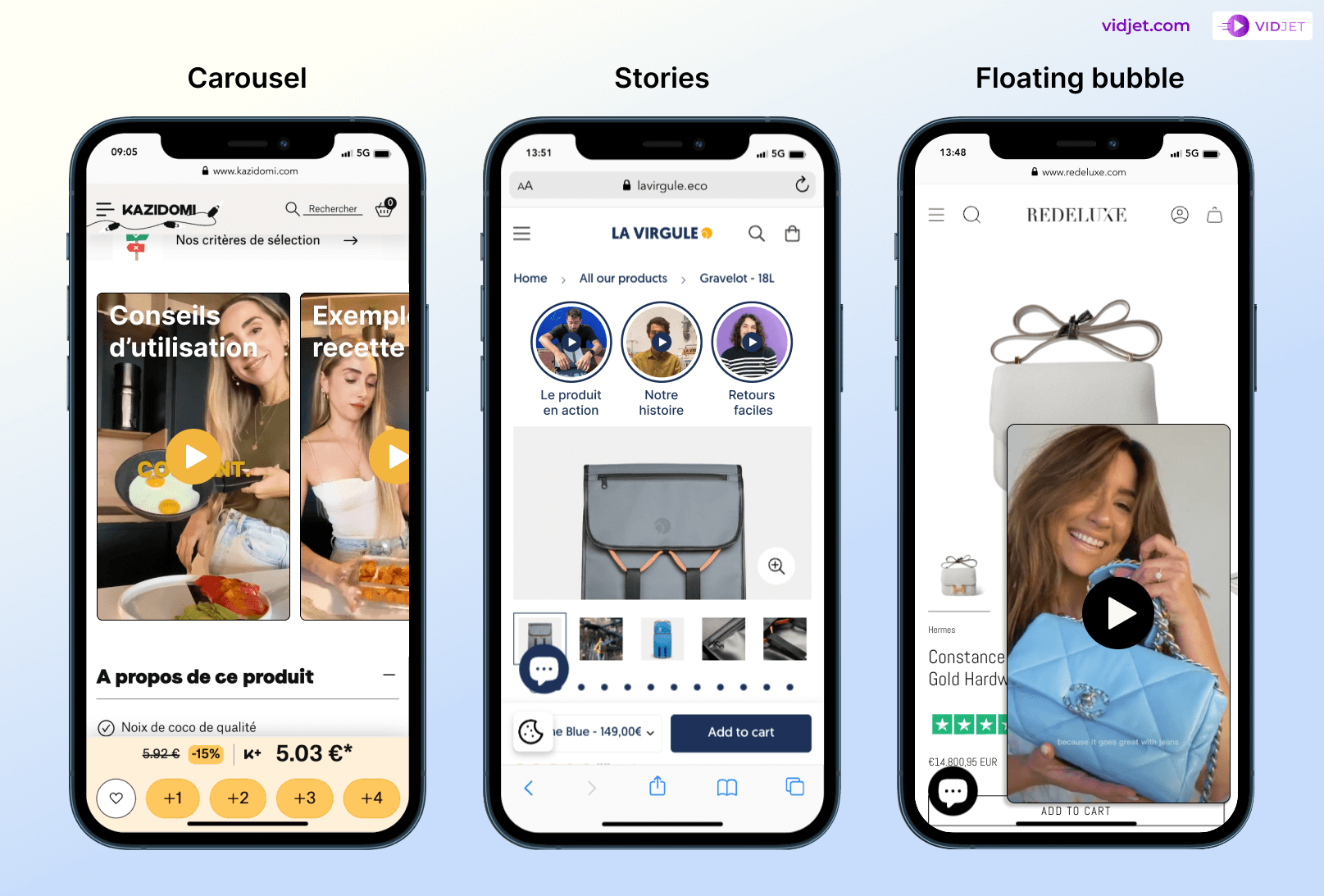
Put video where decisions happen. A short demo on a product page can answer objections right at the moment of hesitation. A clip on your landing page keeps visitors engaged longer, and embedding video in email campaigns lifts click-through rates in a way static images struggle to match.
Optimize for search. YouTube is effectively the second-largest search engine, so titles, descriptions, and tags matter. Use the exact words your customers type when looking for what you sell. On your own site, video embedded on product and FAQ pages can increase traffic and conversions by boosting relevance and time-on-page. Short FAQ-style videos perform especially well in AI-generated search results too.
Get your thumbnails and titles right. A strong thumbnail with a clear face or product shot, paired with a specific title, earns far more clicks than a generic frame grab. Tell people exactly what they'll get.
Consistency beats perfection. A steady stream of decent videos will always outperform one flawless clip every few months. Showing up regularly is what builds momentum with both algorithms and audiences.
Using what customers say to power your video strategy
The best video ideas are usually hiding in plain sight — in your inbox, your reviews, and your DMs. Your customers are already telling you exactly what future buyers need to hear.
When someone asks a question, that's a video topic. When a review mentions a specific benefit, that's a script. When a buyer shares confusion or a worry, that's a chance to address it on camera before the next person even thinks to ask.
This approach keeps your content genuinely useful instead of performative. Video that answers real questions and demonstrates real results consistently beats content made just to fill a schedule.
Customer reviews are gold for this. Beyond shaping your products, they reveal the precise language your customers use to describe their problems and desires — and that language belongs in your video titles, scripts, and calls to action.
In practice, that looks like:
- Turning your five most-asked support questions into five short videos
- Reading your best reviews, then filming a clip that digs into why customers get that result
- Recording a friendly response to a common misconception about your product
- Making a "who this is (and isn't) for" video based on patterns in your feedback
When shoppers see themselves reflected in your content, they're far more likely to trust you with their money.
Building a video habit without burning out
Consistency wins, but only if the process feels manageable. Most small business owners who quit video don't run out of ideas — they run out of energy. Here's how to keep it sustainable.
Batch your filming. Set aside one session every week or two to film several clips at once. Change your top between takes for variety. You'll move faster in the zone and always have content ready.
Start with your phone. The camera in your pocket is good enough. Natural window light, a quiet room, and something to prop your phone against are all you truly need. Upgrade your lighting or mic only once the habit sticks — good audio is usually the first worthwhile investment.
Set a realistic cadence. Two solid videos a week you can actually maintain beats a daily plan you abandon in a fortnight. Pick a rhythm that fits your real schedule.
Repurpose without guilt. One 10-minute tutorial can become three short clips, an email, a blog section, and a handful of social captions. Posting the same clip across Reels, TikTok, and Shorts isn't lazy — most of your audience on each platform will never see it elsewhere.
Track and double down. Watch which videos earn the most saves, shares, and click-throughs. Those signals tell you what your audience actually wants, so you can make more of it and drop what flops.
Consistency compounds. Small businesses that show up regularly build a familiarity that paid ads simply can't buy — and that familiarity turns into loyalty over time.
The camera is already rolling, what comes next?
Video marketing isn't a trend that's peaking. The tools keep getting better, the barriers keep dropping, and your audience is already watching. The real gap now is between businesses that show up on camera and those that keep meaning to.
You know the playbook: choose the formats that match your goals, use the tools that make creation faster, anchor your content in the words your customers already use, and distribute with intention rather than hope.
So start with one video this week. A quick tip, a product walkthrough, or an answer to a question you get all the time. Post it, see what happens, then do it again. A rough clip published today will always beat a perfect strategy that never leaves your notes app.
The content you make now has a longer shelf life than you think. Hit record, improve as you go, and let your library grow.
.jpeg)
%20(1).png)