
.png)
Summary
READ ITConvincing consumers to convert into customers can be challenging. Particularly when operating in low-trust industries, competing in saturated markets, or when selling high-ticket items that require a significant commitment from your target audience.
But the truth is that optimizing your ecommerce brand’s website for conversions (and entire online presence, for that matter) isn’t impossible. It does, however, necessitate an in-depth understanding of the typical buyer’s journey.
By understanding how and why people invest in specific products and choose select brands, you can unlock valuable insights that enable you to optimize your sales funnel. From there, you can design high-converting customer journeys that don’t just help grow your business. These systems can lower your marketing costs and ensure better sales performance, which automatically allows you to expand your business while undertaking fewer risks.
This guide will explore how successful ecommerce brands design high-converting customer journeys, provide examples from real-life businesses you can copy, and present suggestions for optimizing these strategies to best align with your business goals. Let’s get into it.
How Does the Buyer’s Journey Relate to Purchase Decisions
One of the most crucial things to understand about boosting sales is that most people don’t just decide to purchase a product.
Typically, consumers go through several (often lengthy) steps before choosing a solution to invest their hard-earned money in. And often, these steps happen even before the customer is aware that they might end up buying a product.
In marketing, this process is referred to as the sales funnel. However, when approached from the customer’s point of view, the correct way to address it is the buyer’s journey or the customer journey.
Just like a sales (or marketing) funnel, a customer journey has several stages:
- Awareness — the point in time when a consumer becomes aware of a pain point and decides to take action in order to address and remove it.
- Evaluation — once they’ve discovered potential solutions to their needs, consumers will compare and evaluate multiple options until they’ve identified the best fit for their priorities.
- Purchase — the prospect has selected the ideal solution. All they need to do now is choose who to buy from.
- Loyalty — some resources also count loyalty as part of the sales cycle, primarily because most ecommerce businesses aim to retain customers and encourage them to re-purchase.
What’s interesting is that brands can actively develop marketing strategies that align with each stage of the customer journey, encouraging potential prospects to convert into leads, customers, or loyal clients.
So, instead of focusing on conversion-optimization tactics to help elevate the success rates of your ecommerce website, why not design customer journeys that rely on a specific marketing approach? That way, you won’t just boost sales. More importantly, you’ll create a customer experience that your target audience enjoys, making web visitors far more likely to turn into customers than if you had simply presented them with attractive sales copy (and hoped for the best).
The Interactive Tool-Powered Customer Journey
The primary reason people go online (or engage with brands) is that they’re usually trying to find information or remove a specific pain point.
So, if you’re trying to design a customer journey that has a high likelihood of leading to a conversion, one of the best things you can endeavor to do is help your audience solve their needs. Interactive tools can be extremely helpful in accomplishing this goal for several reasons.
According to research, interactive content is highly engaging. Moreover, data from Statista suggests that 39% of marketers expect to become key in driving marketing results. But most importantly, interactive resources allow you to address and target a highly specific pain point, engage qualified leads, present web visitors with value and guidance, and turn prospects into leads.
The outcome of this approach is a much shorter sales cycle. It leaves your audience with a clear idea of what steps they need to take to reach their goals and a highly positive perception of your business as a trustworthy authority.
Ecommerce brands often design interactive tool-powered customer journeys, which work marvelously. However, they often make the mistake of failing to emphasize these tools in high-value website areas, making them far less likely to significantly contribute to a higher conversion rate.
For inspiration on how to implement this tactic just right, turn to service and SaaS brands.
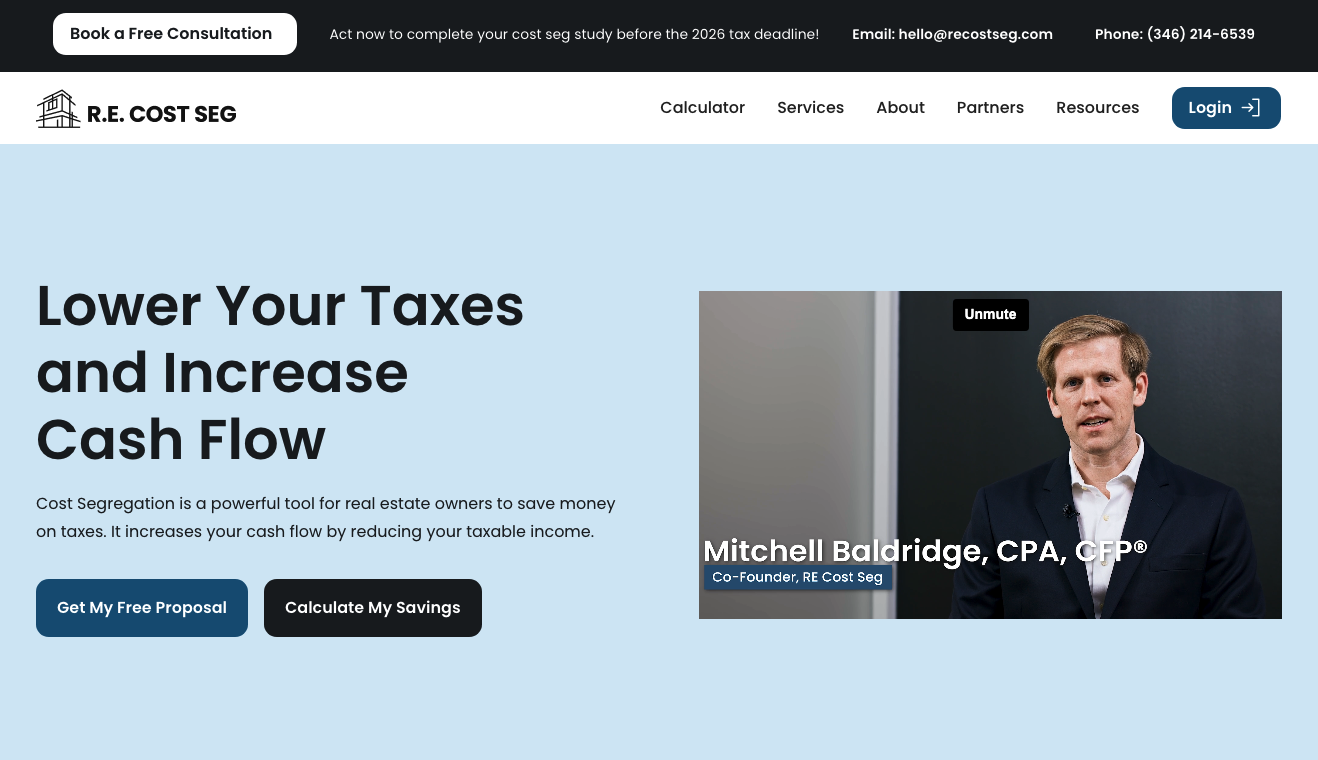
Businesses like R.E. Cost Seg highlight and emphasize interactive resources (such as the savings calculator), knowing that they’re a key contributor to a shortened sales cycle and an enjoyable customer experience. So, don’t hesitate to position your product finder quizzes in the hero section of your site. They’re a great asset to have in your arsenal. And they’re guaranteed to make a positive impact on your site’s conversion rates, at the very least, because they offer unique value to your audience.
The Social Proof-Based Customer Journey
Brand perception — particularly factors such as competence and trustworthiness — has a tremendous influence on the typical buyer’s journey.
After all, research suggests that tht practically all consumers read reviews before buying. A great majority of shoppers find review-type content helpful in guiding their purchase decisions. And most importantly, data indicates that reviews elevate conversion rates by as much as 144% when web visitors interact with them on ecommerce websites.
But here’s the thing. The majority of retail websites overlook powerful ways to integrate social proof into the customer journeys.
Yes, most brands understand that they need to display this type of UGC on product pages. However, apart from those (and the occasional brand rating element on a site’s homepage), most businesses overlook opportunities to profit from positive customer feedback on non-sales pages.
When aiming to design customer journeys that convert, it might not be a bad idea to lead your marketing and branding activity with social proof. Yes, it’s still crucial to present prospects with attractive value propositions and sales messages. Nevertheless, by prioritizing customer feedback, you can create a setting in which your audience feels confident and safe, making it far easier for them to make a purchase decision.
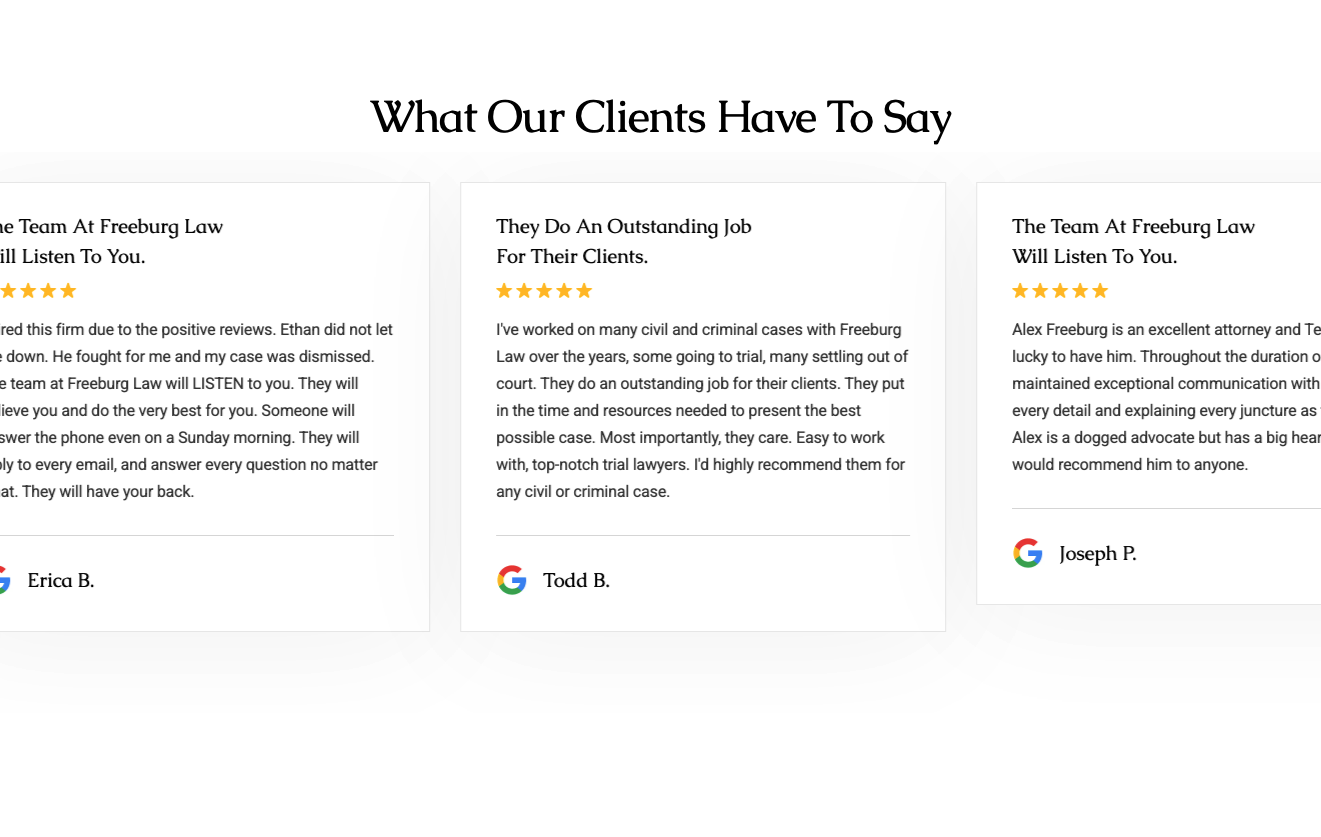
Again, you can look toward service businesses for inspiration on how to design this type of customer journey — primarily because they do it so well. Freeburg Law, for instance, displays powerful social proof right below its site’s hero section, knowing that this area is likely to draw web visitors’ attention and determine how they perceive the brand (and judge its offer) through the rest of the sales funnel.
The Low-Risk Customer Journey
Want to design customer journeys that convert? In that case, you need to understand the reasons consumers fail to go through with purchases.
According to research, common ecommerce conversion obstacles include high or unexpected shipping costs, checkout friction, poor website UX, and a high level of perceived risk. Most of these issues are easy to resolve with smart UX design tactics and a dedication to customer satisfaction. However, when it comes to your audience’s risk perception, you might have to try a bit harder to prevent it from impacting your site’s sales performance.
The good news is that you can design low-risk customer journeys. All you have to do is find ways to recreate that in-store shopping experience that allows consumers to interact and evaluate products before committing to a purchase.
For example, incorporating AR and VR capabilities (along with high-quality product videos, of course) can be a great way to reach this goal. But if you want even better sales performance, consider designing systems that allow your audience to test and try out your solutions before having to spend their hard-earned money.
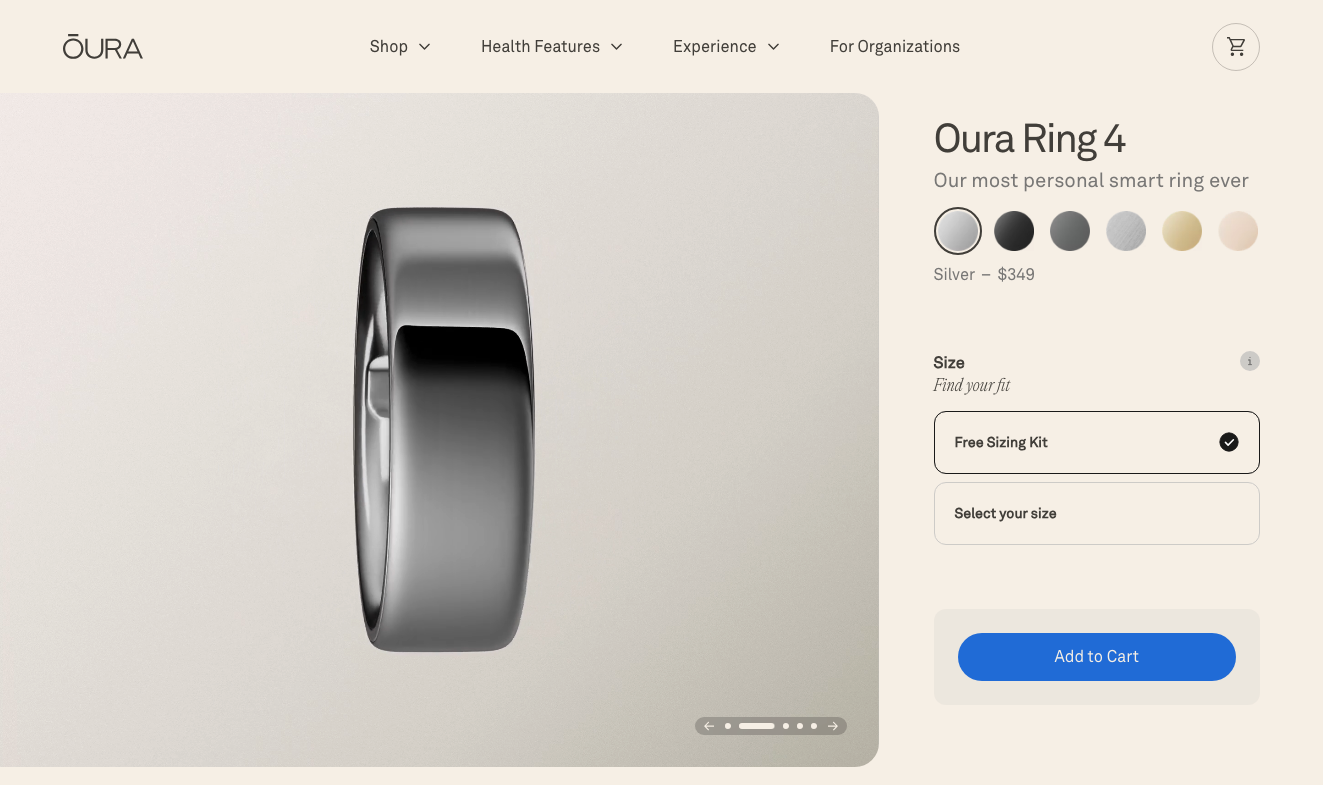
Check out how OURA does this on its product pages. Knowing that ring sizing is a huge consideration for its customers (especially since it affects product functionality), this brand invites customers to order a free sizing kit. Such an approach may seem financially risky at first glance. But if you consider that the cost of these kits is already built into the product’s final price and that this option significantly reduces returns and customer dissatisfaction, it’s actually a genius strategy for creating an enjoyable customer experience.
The Aspirational Lifestyle Customer Journey
Many buying journeys begin with a realistic need. But an equally significant number begin from a place that’s a bit less rational.
If you look at the main reasons why consumers invest in specific products, you’ll find that many people make purchase decisions based on emotions. Furthermore, the past couple of years have witnessed a rise in the number of aspirational buyers. These are people who purchase higher-value products (at the top-end of their budgets), often with the desire to attain a lifestyle or social status that seems desirable to them. What’s interesting is that they now make up 39% of the population.
So, if you’re trying to design high-converting customer journeys that can help grow your brand, consider approaching the task from an aspirational lifestyle viewpoint.
By painting an attractive picture of the lifestyle your products enable, you won’t just attract a wider audience. More importantly, this tactic can help elevate your web visitors’ purchase intent — even among consumers who may not even populate the sales funnel at the moment.
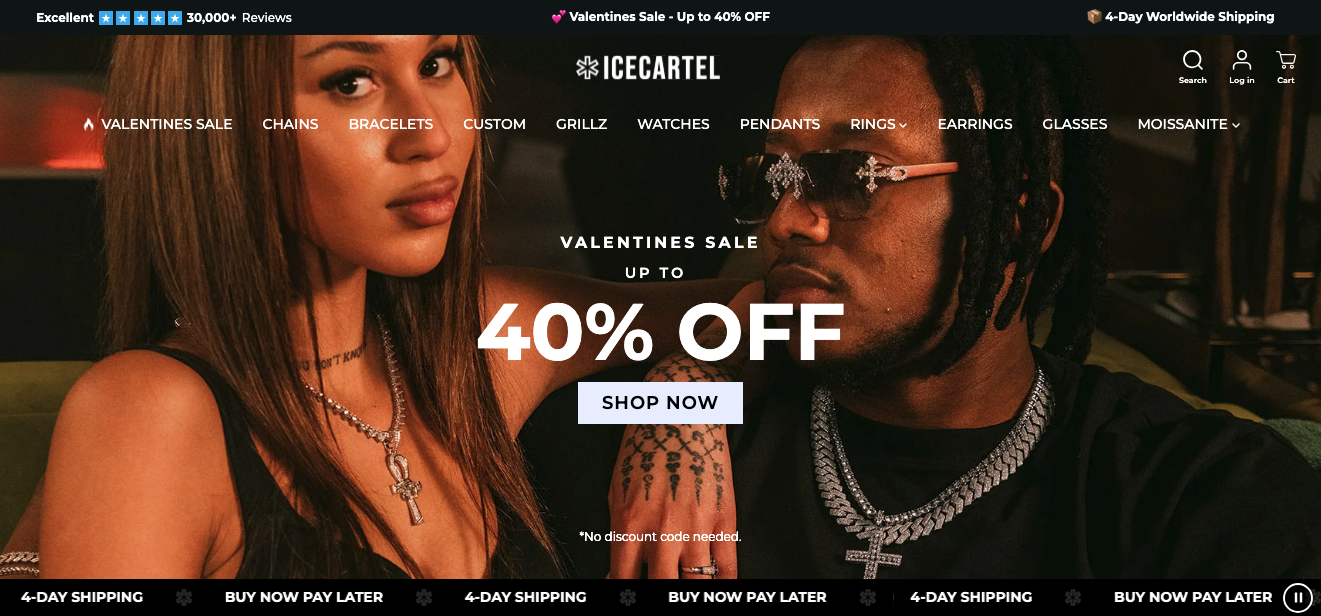
Icecartel does this beautifully, both on its website and across its social media presence. By emphasizing the quality, attractiveness, and social influence of its jewelry, this brand effectively convinces its prospects that they need and deserve such products, significantly lowering their price sensitivity and gently guiding them closer to a purchase decision.
The Ultra-Customization Customer Journey
One of the main characteristics of contemporary consumers is that they demand personalization and hyper-relevance.
According to research, 71% of buyers expect brands to deliver personalized experiences. 73% of shoppers want brands to demonstrate an understanding of their unique needs. And data even shows that people actively ignore seemingly irrelevant marketing messages, while 96% of people are more likely to stay loyal to brands that personalize their messaging.
So, how can this knowledge help you design high-converting customer journeys?
Well, if you know that a specific audience segment in your target industry isn’t getting their needs met, you could create a customer journey that relies on ultra-personalization, thus allowing your prospects to create the products they want and need from your business.
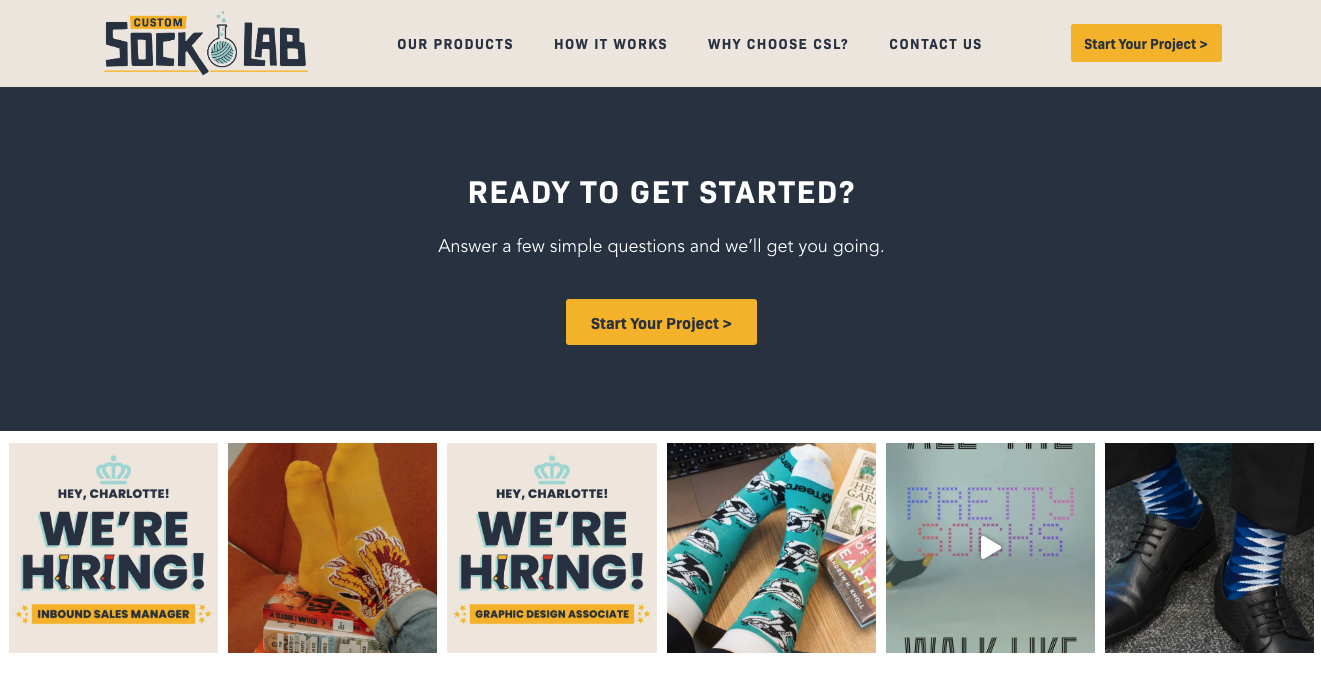
Custom Sock Lab does this beautifully. The brand offers a unique approach to an otherwise unexciting product category, targeting businesses and NGOs that wish to create unique designs to use as promotional swag. What’s fascinating, however, is just how well this brand emphasizes that customers have full control over the look and feel of the end product. In addition to the homepage section that invites visitors to create their ideal design, the brand also offers wide personalization options on its product pages, thus ensuring that all potential customers find exactly what they need.
The Long Game Customer Journey
Lastly, as you explore opportunities to optimize your sales funnel for conversions, it’s crucial to remember that consumers don’t (usually) make buying decisions on a whim. Instead, it takes several touches to turn a prospect into a customer — a process that usually requires multiple interactions across different platforms.
For this reason, one of the best ways to design a high-converting customer journey is to keep the long game in mind.
Yes, instant conversions are amazing for your bottom line. But they’re not necessarily realistic expectations, particularly if you operate in a competitive or niche industry.
With this in mind, create systems that will gently nurture your audience into customers. Additionally, explore opportunities to turn your leads into followers, so that they can become loyal to your brand.
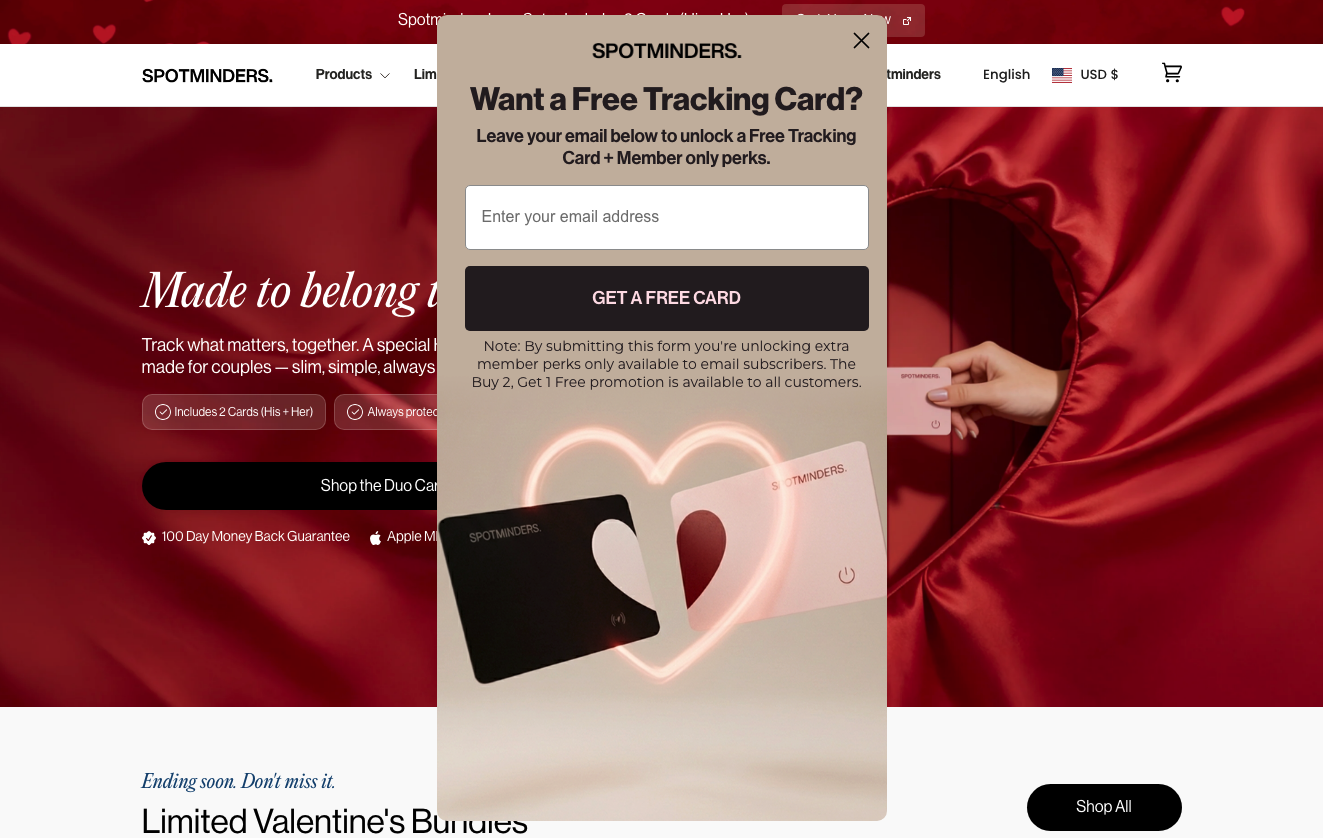
Something similar to the newsletter subscription element on the Spotminders website is a simple yet effective solution. It doesn’t just capture leads; it points out that consumers benefit from interacting with your business — a perk that most buyers won’t say no to.
Final Thoughts
Enjoyable, user-oriented customer journeys automatically lead to higher conversion rates. So, if your business goals include boosting sales on your ecommerce website, consider implementing the tips from this article. They’re simple, effective, and easy to apply. So don’t hesitate to give them a go. You’re sure to see positive outcomes.
.jpeg)
.jpeg)